When students develop both the confidence to speak up and the discipline to think critically, they're better prepared not just for exams but for the decisions they'll face beyond school.
At Oxford Scholastica, we believe that true future readiness comes from balancing personal development alongside intellectual curiosity – and our latest survey confirms that families and students across the UK and US also recognise this balance. Academic rigour still matters, but there's a growing sense that something else – something harder to measure – is being left out of the school curriculum.
We recently asked over 400 students and parents where schools are currently falling short in preparing young people for the future and how this can be improved. The findings show a clear desire for a shift in focus towards building confidence, independence and practical readiness, while technical and university preparation fall much lower on the priority list.
At a time when education debates are focusing on curriculum reform and the integration of AI into the classroom, these results offer first-hand insights into what may be missing from the classroom.
Key Takeaways
- Confidence is the priority. 192 respondents cited confidence as the most desired skill, around 44% higher than independence (133) and far ahead of academic preparation (33).
- Life skills top school shortcomings. 66 respondents identified life skills as the main gap in school provision, followed by practical or real-world skills (42).
- Collaboration ranks highest for suggested improvements. 75 respondents called for more teamwork and collaboration opportunities in schools, reflecting a strong desire for collaborative rather than competitive educational models.
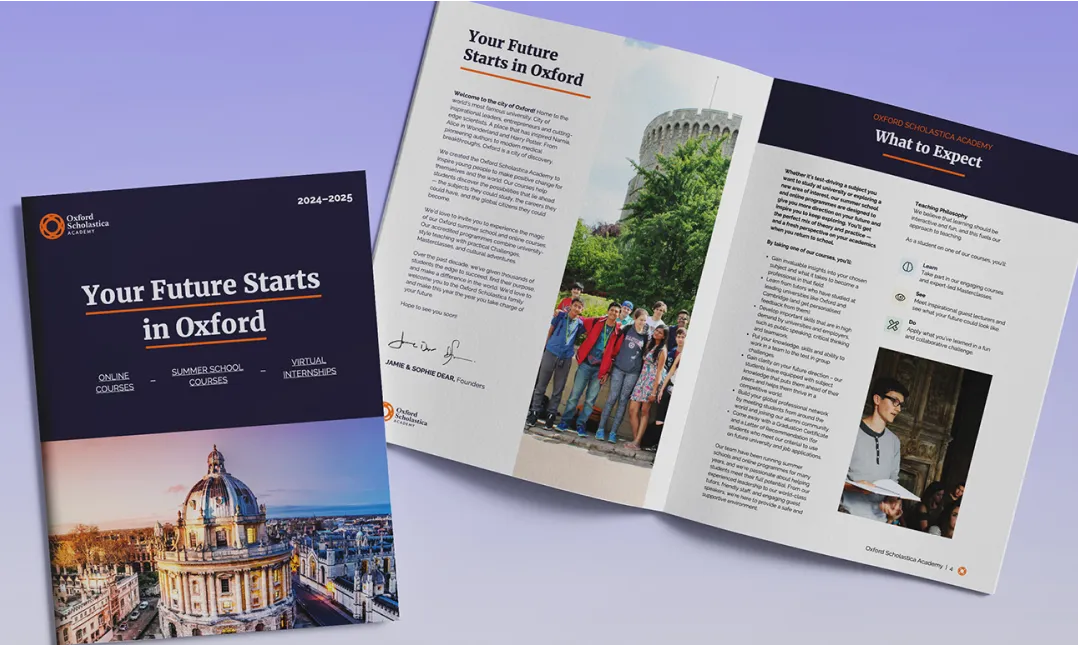
We Help Students Seize the Future
Our immersive programmes give young people with big dreams the opportunity to unlock their potential.
What's Missing from the School Curriculum?
Similarly, practical or real-world skills were mentioned in 42 separate responses (20 in the UK; 22 in the US), indicating a widespread concern that students are not being adequately prepared for the practical demands of adult life.
Critical thinking received only 13 mentions (6 UK; 7 US), suggesting a shared belief that schools are currently prioritising academic knowledge over functional competencies.
Top Priorities for Parents and Students
With this in mind, we then asked parents and students what skills, knowledge or experiences were most sought after from a summer school like Oxford Scholastica. Respondents were asked to choose their top three priorities from the following:
- Career readiness
- Confidence
- Critical thinking
- Digital skills
- Global awareness
- Independence
- Knowledge about a favourite subject
- Leadership
- Team work
- Time management
- University preparation
- Verbal communication
- Written communication
Out of 428 responses, almost half of respondents (192) cited confidence as a top-three request, followed by independence (133), career readiness (122), time management (118) and team work (103). Personal and social development, as well as preparing teens for their future career, are seen as the most valuable outcomes of extracurricular programmes.
Top 5 Skills Desired
192
133
122
118
103
In contrast, university preparation received only 33 mentions, and digital skills totalled 40. These figures are much lower than the top-ranked soft skills, suggesting that academic and technical preparation is less of a concern for both countries. It's possible that schools are already perceived to cover these areas adequately, or that parents and students feel confident their children will acquire them through other means.
The relatively low priority given to university preparation is particularly interesting. It indicates that students and parents are thinking beyond the immediate goal of university admission and are instead focused on the personal qualities that will support long-term success. Digital skills, despite their growing importance in the workplace, also rank below interpersonal and self-development competencies.
UK Priorities vs US Priorities
UK parents and students placed significantly more emphasis on confidence (112 mentions) compared with their US counterparts (80). The same pattern holds for independence, where UK responses (86) nearly doubled those from the US (47). This suggests that families in the UK view self-development and autonomy as central to educational success, possibly reflecting a school culture that values independent learning and personal resilience.
By contrast, US respondents rate critical thinking much higher (100 mentions) than UK respondents (61). They also show stronger interest in career readiness (68 US; 54 UK) and time management (68 US; 50 UK). These differences point to a greater focus on analytical skills and career preparation in the US, where college admissions and early specialisation often place direct emphasis on problem-solving ability and professional readiness.
Teamwork is rated higher in the UK (62 mentions) than in the US (41), suggesting greater British interest in collaborative skills. This aligns with the broader self-development trend observed in the UK responses, where working effectively with others is seen as part of building confidence and independence.
Feel Confident About Your Future
After attending Oxford Scholastica for two weeks in 2025, students reported feeling 25% more optimistic about the future of the world.
How Can Schools Improve?
Teamwork and collaboration emerged as the dominant suggestion for school improvement (75 mentions), followed by project-based learning (46), reinforcing the need for more structured opportunities for students to work with others, develop interpersonal skills and experience collaborative problem solving.
| Improvement Area | Mentions |
|---|---|
| Teamwork and collaboration | 75 |
| Project-based learning | 46 |
Mentorship, communication skills, wellbeing and digital skills all received counts between 4 and 7, indicating these are not top-of-mind concerns for most respondents but may represent areas where schools could expand support in the future. The relatively low mention of digital skills is particularly noteworthy given the attention paid to technology in recent education debates.
What This Means for Future Learning
Our survey shows that UK and US families want schools to produce confident, independent young people equipped with practical skills for work and life.
Academic preparation, while still valued, is not the primary concern when it comes to enrichment or perceived gaps in mainstream education. This does not mean that subject knowledge is unimportant, but it does suggest that many respondents assume schools already handle the curriculum and are looking for opportunities that build interpersonal and real-world competencies.
For the chance to build the future-focused skills employers value without losing the depth and discipline of traditional learning, explore our Oxford summer courses to see how we combine university-style learning with real-world career challenges.
Methodology: Oxford Scholastica Academy collected original data from 428 students and parents, asking respondents to identify where schools are falling short in preparing students for university and beyond, as well as the most desired skills and experiences from summer school programmes.

By Oxford Scholastica Academy
Since 2013, Oxford Scholastica's award-winning programmes have empowered thousands of students to seize the future. We have welcomed bright students from around the globe for more than a decade, giving them the edge to help them succeed, find their purpose and make a difference in the world.